
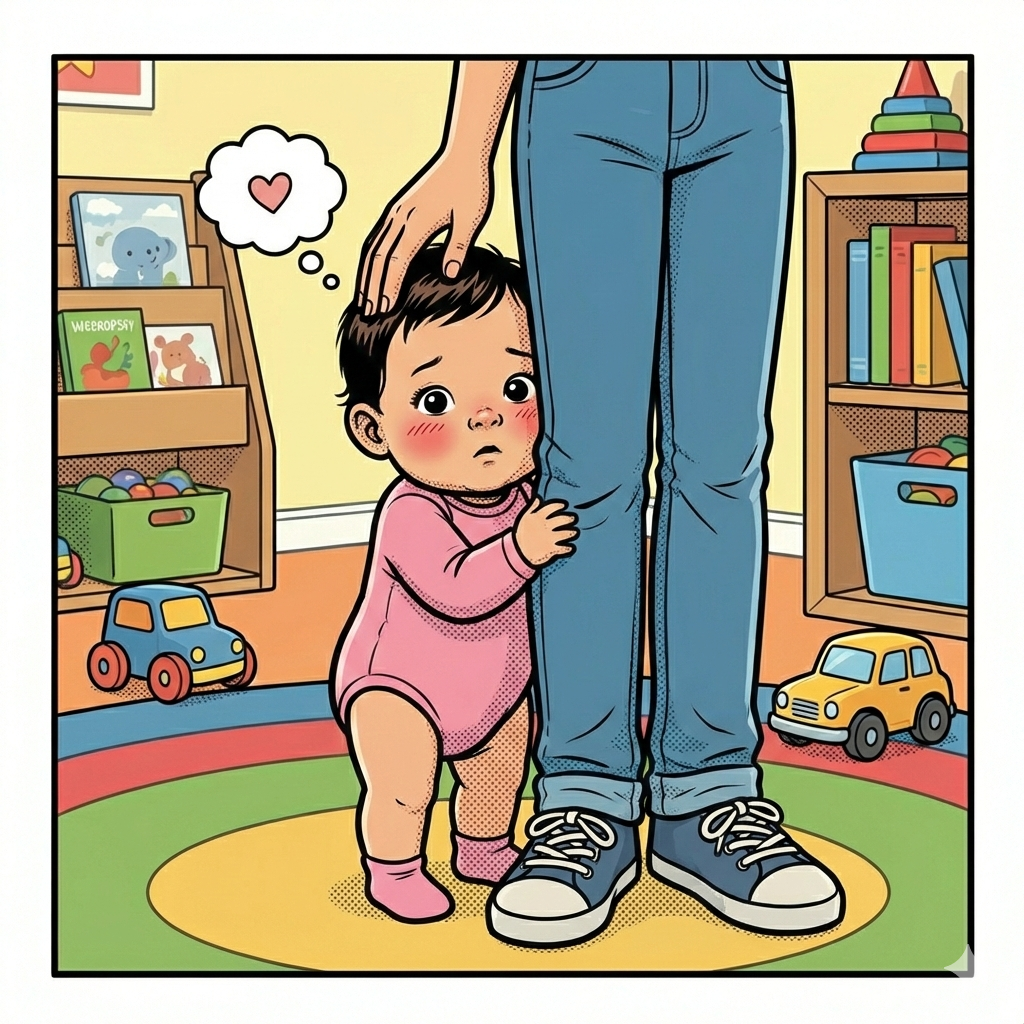
Gradual Daycare Entry Benefits Explained
Starting daycare is a massive milestone—not just for the little one, but for your nervous system, too. While the "rip the Band-Aid off" method has its fans, a gradual entry process (often called a "soft start" or "phasing in") is generally considered the gold standard for long-term success.
Think of it as a "test drive" for everyone’s emotions. Here is why taking it slow actually makes the transition faster in the long run.
1. Building "Predictable Trust"
For a child, daycare is a world of strangers and new smells. Gradual entry allows them to learn the most important rule of daycare: "You leave, but you always come back."
Secure Attachment: By starting with 1–2 hour stints, the child learns that the separation is temporary before they have time to hit "panic mode."
Caregiver Bonding: It gives the child time to identify a specific teacher as their "safe person" while you are still nearby or reachable.
2. Reducing Sensory Overload
Daycares are loud, bright, and busy. Dropping a child into that environment for 8 hours straight can lead to a "meltdown hangover" in the evening. Gradual entry lets them habituate to:
The transition between activities (circle time to snack time).
The specific noise level of a group of peers.
New physical boundaries and rules.
Pro-Tip: During gradual entry, try to keep your "goodbye" routine exactly the same every time. Whether it’s a high-five or a "see you later, alligator," consistency is the antidote to toddler-uncertainty.